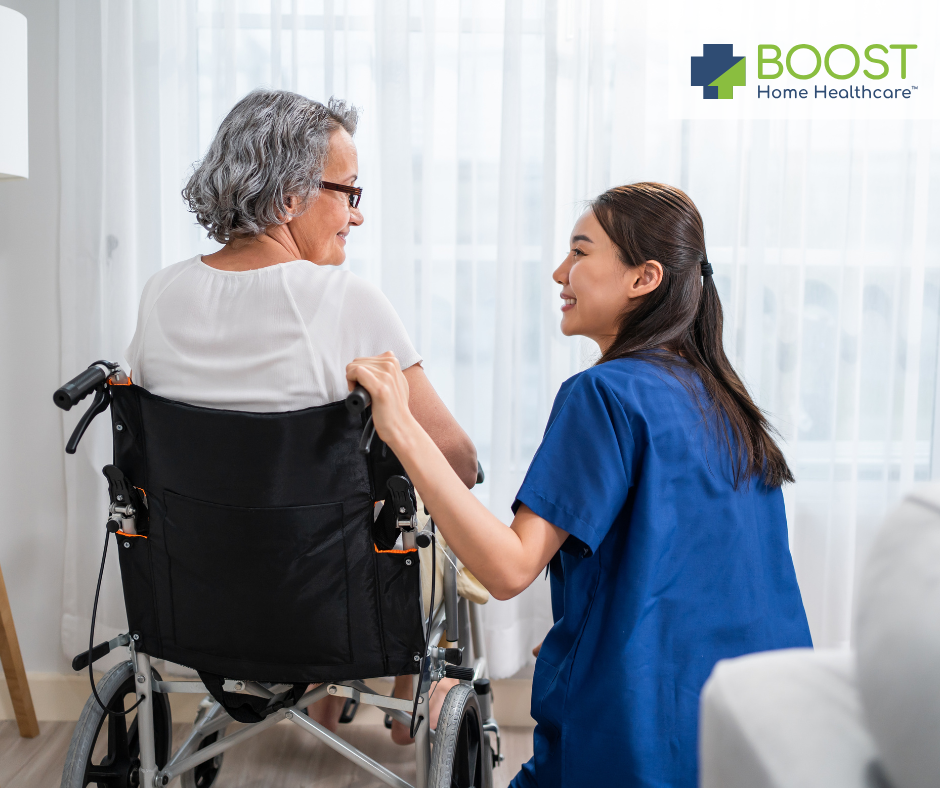
Patients may need an extra boost after an illness, injury, or health setback to start feeling better. Home healthcare delivers the same quality of care directly to a person’s home rather than in a hospital or medical facility. Skilled team members provide one-on-one, personalized care without distractions, and this service can also be a more affordable option for care.
Home healthcare offers a wide range of services, including intermittent skilled nursing care, physical therapy, and speech-language pathology services. These services support individuals recovering from surgery, managing chronic conditions, or requiring end-of-life support. Keep reading below for insights on various illnesses and conditions that can be effectively managed through home health services and the benefits of receiving care in the home setting.
Conditions Managed by Home Health Care
Under an established care plan and the proper guidance and direction, home health care professionals can help patients manage the following conditions in the comfort of their homes.
Heart Disease & Heart Failure: Heart disease is the leading cause of death for men, women, and individuals from various racial and ethnic backgrounds in the United States, and home health agencies play a vital role in managing this condition. People with heart failure often need assistance with managing medications, monitoring vital signs, and adhering to a prescribed diet and exercise program to prevent hospital readmissions. One additional benefit of home health care is that providers educate patients and their families on how to recognize warning signs of worsening conditions.
Chronic Obstructive Pulmonary Disease (COPD): COPD is a progressive lung condition resulting from damage to the lungs, which causes swelling and irritation, known as inflammation, within the airways that restrict airflow into and out of the lungs. Home health professionals help patients manage symptoms through respiratory therapy, medication administration, and breathing exercises. They also educate patients on how to avoid secondary infections that can worsen COPD symptoms.
Alzheimer’s Disease & Other Dementias: Around 55 million people worldwide live with Alzheimer’s disease and other dementias. This degenerative brain disease is the most common cause of dementia and can lead to cognitive decline that presents significant challenges for families. To enhance quality of life and care outcomes, home health aides provide supervision, assistance with daily activities, and strategies for maintaining cognitive function. Personalized care plans help ensure that individuals with dementia remain safe in their home environment while receiving necessary health care services.
Cancer: Depending on the type of care needed, home care might be an option for a person being treated for cancer, recovering from it, or having advanced disease. Patients undergoing cancer treatment often require a range of services, from IV medicine administration to wound care and palliative care for pain and symptom management. Home health professionals assist with chemotherapy side effects, manage medications, and provide emotional support to patients and families during treatment.
Diabetes: 1.2 million Americans are diagnosed with diabetes annually. Home health professionals play a vital role in supporting at-home diabetes care by assisting with monitoring blood sugar levels, vital signs and other health indicators such as weight changes and blood pressure.
Joint Replacement: Home health professionals provide physical therapy to patients recovering from joint replacement surgeries, such as knee or hip replacements. Physical and occupational therapists work with patients to regain mobility, improve strength, and prevent falls during recovery. Treatment plans may include range-of-motion and strengthening exercises, as well as balance, functional and activity-specific training.
Stroke Recovery: After a stroke, individuals may experience difficulties with swallowing, balance, communication, and mobility. Home health therapy services play a crucial role in the recovery process. Speech therapy addresses language and swallowing disorders, while physical therapy aims to restore movement and coordination. Occupational therapists support individuals in regaining independence in their daily activities.
Amputation & Wound Care: Patients who have undergone an amputation require specialized care to promote healing and adapt to life with a prosthetic limb. Home health professionals provide wound care, pain management, and rehabilitation exercises to enhance mobility.
Pneumonia and Respiratory Conditions: Those recovering from pneumonia or other respiratory conditions typically need oxygen therapy, medications, and support to prevent falls caused by weakness. Home health care providers monitor lung function and help ensure patients follow their prescribed treatment plans.
IV Medications: For patients requiring long-term IV medication therapy, such as antibiotics for secondary infections, home health nurses administer treatments, monitor responses, and manage any complications, thereby reducing the need for extended hospital stays.
Benefits of Home Health Care
When recovering from an illness or injury, transitioning from a hospital stay, or working to regain independence, nothing is more desirable than the comfort and privacy of home. Opting for home health services instead of a skilled nursing facility or hospital offers multiple benefits, including:
- Expert care without leaving the comfort of your residence
- Personalization and one-on-one communication
- A more relaxed and familiar environment post-hospital stay
- Reduced risk of falls in a safer space as well as a reduced risk of infections
- More family involvement, if desired
- More affordable care that may be covered by insurance or Medicare
Boost Home Healthcare is Here to Help
Through all the struggles, triumphs, tough days, and joyful days that come with recovery, our team at Boost Home Healthcare is here for you. Our nurse-inspired approach fosters collaboration, ensuring that families, Boost Home Healthcare team members, and medical professionals are aligned and follow a unified recovery plan. Learn more about our services below:
Skilled Nursing: Obtain personalized, one-on-one care in the comfort of your home, ensuring a safer, more familiar environment for recovery or managing chronic conditions, with a range of potentially insurance-covered services like IV therapy and wound care tailored to your needs. Click here to learn more.
Physical Therapy: Regain strength, balance, and self-sufficiency in the comfort of your home with the focused support of our home healthcare PT specialists, who tailor their undivided attention and encouragement to your unique needs. Click here to learn more.
Occupational Therapy: Regain independence after illness or injury. We focus on daily living skills, offer personalized support, and empower your family members to assist in your journey toward autonomy. Click here to learn more.
Speech Therapy: Tackle challenges in speech, language, cognition, and swallowing with tailored support and education for both patients and families, ensuring a collaborative path to recovery. Click here to learn more.
Certified Home Health Aide: Enhance your quality of life at home with a wide range of home health services, including meal preparation, mobility support, and light housekeeping. From personal hygiene and daily activities to specific medical tasks under nurse supervision, our highly trained home health aides are committed to supporting you. Click here to learn more.
Medical Social Worker: Receive quality care and comprehensive support to navigate the challenges of adapting to life changes due to illness or trauma. Our medical social workers offer guidance on understanding your condition, planning treatments, coordinating care transitions, and addressing emotional, financial, and social needs. Click here to learn more.
Get Started Today
Choosing the right home health agency is essential for ensuring quality care. Boost Home Healthcare provides the care you or your loved one requires in the comfort of your home. Compared to hospitals or skilled nursing facilities, we offer more convenient and often more affordable care. Additionally, our approach is fully personalized.
To learn how home health services can support your or your loved one’s care needs, start your assessment today by connecting to a Boost Home Healthcare location near you.
Helpful Resources: