Home health care therapy
Raising the bar for home health care therapy.
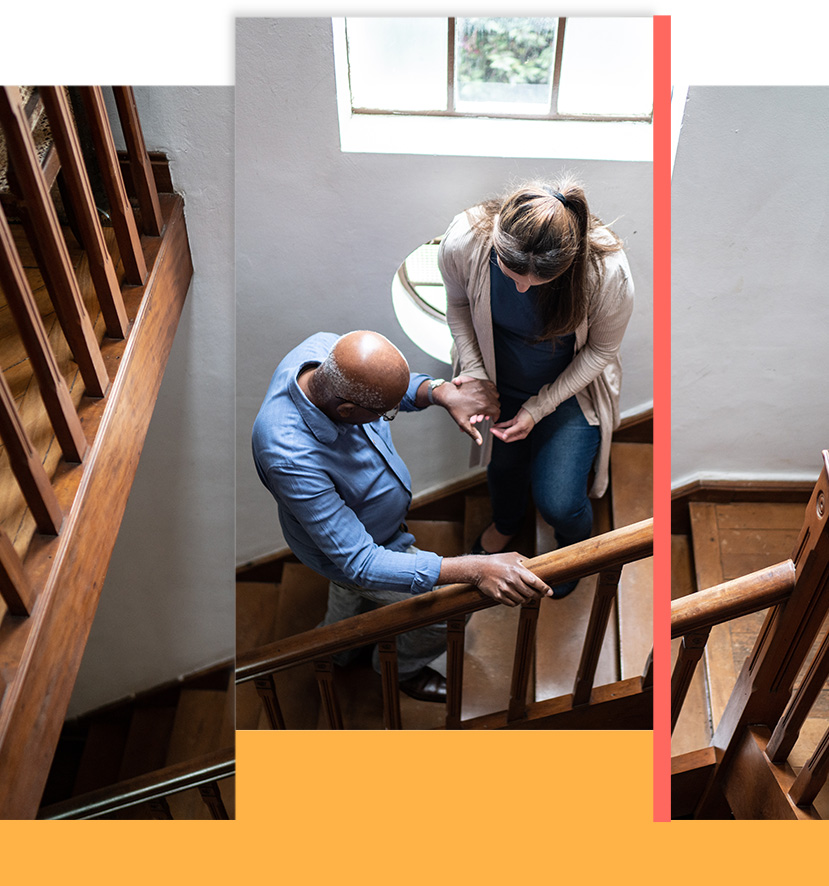
Home health care therapy – whether physical, speech or occupational – can be a critical step in the recovery process. Having someone in your corner, and at your home, can improve the quality of care you receive and hasten the timeline to independence.
To start, Boost Home Healthcare works with your medical team to create a care plan that’s right for you… and we’ll stay in touch to fine-tune it as time goes on and provide resources to help pay for home health. Then, a physical therapist or other specialist comes to your home, bringing specialized training to provide personalized care, without distractions or other patients nearby.
These professionals are adept at creating tailored care plans that address your specific needs, ensuring a comprehensive approach to recovery. Together with your family, we’ll ensure you’re on a safe, productive path to recovery.
Boost Home Healthcare specialists can help with:
Is It Time for Home Health Care Therapy?
When exactly is it time to look for home therapy? It’s not always easy to know when the right time is, but here are five indicators that home therapy, including physical therapy, speech therapy, or occupational therapy, might be advantageous for you, especially if you or a loved one is dealing with a chronic illness that necessitates ongoing care and support.
1. Difficulty with daily tasks. If you’re struggling with everyday tasks, it might be time to consider occupational therapy. This type of therapy is often recommended for those facing difficulties with personal care tasks, balance issues, weakened grip strength, and challenges in engaging with hobbies. It can also be beneficial if you find yourself overlooking medical appointments, confusing medications, experiencing motor skill obstacles, or having trouble with sensory processing and organizational skills. A home health provider can assist in managing these conditions at home, ensuring that individuals maintain their independence and quality of life.
2. Difficulty recovering from surgery or health condition. Physical therapy at home is particularly beneficial for individuals recovering from surgeries, such as joint replacements or other orthopedic procedures, as it helps them regain mobility and strength in a familiar environment. It is also essential for those who have been hospitalized due to serious health events like strokes or heart attacks, allowing them to continue rehabilitation and regain functionality without the need to travel.
3. You Are Homebound. If leaving home is a considerable and taxing effort, or if it’s unsafe without help, home therapy could significantly benefit you. Medicare and other insurance plans often cover homebound individuals needing continuous medical care, making it an accessible option if recommended by your physician.
4. Declining communication capabilities. Changes in communication abilities can be a sign of underlying health issues and may require professional intervention through speech therapy. If you notice issues like using fragmented sentences, speaking slowly, difficulty swallowing or coughing during meals, these could indicate speech or swallowing disorders. Additionally, trouble expressing needs, comprehension of spoken words, or a decrease in speaking frequency can signal the need for speech therapy.
Does Medicaid Cover Home Therapy?
Yes, under certain circumstances. If you have Medicare, you can use your home health benefits if you meet these criteria:
Care under a Health Professional: You must be under the care of a doctor or other health care provider like a nurse practitioner, clinical nurse specialist, or physician assistant. Additionally, you should be receiving services as part of a care plan that is established and regularly reviewed by your doctor or permitted provider.
Certification of Need by Doctor: Your doctor or other health care provider must certify that you need one of the following:
- Intermittent skilled nursing care (excluding blood draws), which refers to Medicare-certified home health care or visiting nurse services that are short-term, physician-directed care designed to help a patient prevent or recover from an illness, injury, or hospital stay.
- Physical therapy
- Speech-language pathology services
- Continued occupational therapy
- Home health aide services
Medicare-Certified Agency: The home health agency providing your care must be certified by Medicare.
Certified as Homebound: Your doctor or provider must certify that you are homebound, which means:
- You need help to leave your home due to an illness or injury (e.g., using a cane, wheelchair, walker, special transportation, or assistance from another person), or it is not recommended to leave your home because of your condition.
- Normally, you can’t leave your home, and doing so requires considerable effort.
- You may occasionally leave home for medical treatment or for short, infrequent non-medical reasons, such as going to the barber, walking around the block, or attending an infrequent special family event (funeral, wedding, etc.). You are still eligible for home health care if you attend adult day care or religious services.
Documented Face-to-Face Encounter: There must be documented evidence that you had a face-to-face encounter with your primary care doctor or another health professional within the required timeframes, and this encounter must relate to the reason you need home health care.