As you or your loved ones age, the risk of injuries and falls increases, making home safety a top priority. Whether you’re caring for an aging family member or planning for your own future, it’s important to identify potential hazards in the home that could lead to falls or accidents. Creating a comprehensive home safety plan can help you take proactive steps to prevent injuries and maintain a safe living environment.
This guide offers essential tips to help older adults stay safe and comfortable in their homes while preserving their independence.
Quick Access Guide
Creating a safe, injury-free home environment is essential, especially if you’re caring for an older adult or looking to improve your own safety. Here’s a quick overview of what to focus on:
- Prevent Falls: Falls are one of the leading causes of serious injuries in older adults. By reducing fall risks in your home, you can significantly lower the chances of injury.
- Address “Silent” Dangers: Prevent carbon monoxide poisoning by installing CO detectors and replacing their batteries regularly. Make sure all smoke detectors are functioning properly. Also, store chemicals and medications safely in clearly labeled, secure locations.
- Add Safety Features in Key Areas: Install grab bars, shower chairs, and other modifications in frequently used spaces to improve stability and reduce the risk of falls.
- Be Prepared for Emergencies: Have an escape plan in place for medical emergencies or disasters, and keep a list of emergency contacts within easy reach.
- Use Technology for Safety: Consider smartwatches, digital assistants, or emergency call devices to help you quickly communicate and alert others when you need assistance.
Home Safety Tips
Here’s a more detailed approach to improving home safety. Some modifications may not be suitable for every living arrangement, but staying informed and prepared will help you create a safer environment.
Fall Prevention & Mobility Assistance
Falls are the leading cause of injury and injury-related death among adults ages 65 and over, with more than one in four older adults falling each year, leading to 41,000 deaths, 3.6 million emergency department visits, and 1.2 million hospital stays. Taking preventive measures throughout the home can significantly reduce fall risks. The following list includes tips and suggestions on home updates and items that can support your fall prevention efforts:
- Clear Congested Areas: Declutter your living spaces by removing unnecessary furniture and potential trip hazards like area rugs, electrical cords, and other obstacles. Keeping pathways clear can reduce the risk of slipping or tripping, especially if mobility is a concern.
- Add Mobility Support Features: Install grab bars in key areas like the bathroom, particularly near the toilet and shower. Shower chairs and non-slip mats can also provide added stability while bathing.
- Improve Lighting: Place night lights in hallways, bedrooms, and bathrooms to help you navigate safely in the dark.
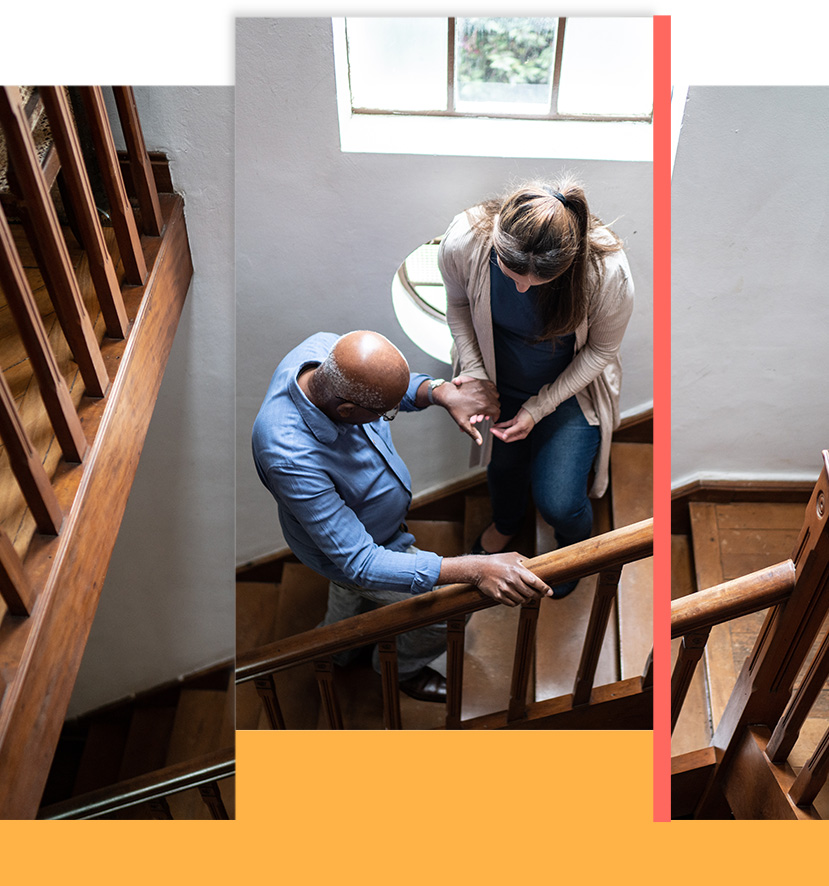
- Enhance Stair Safety: Install handrails on both sides of the stairs for added support. If climbing stairs is difficult, consider a stair lift if your home allows for it.
- Wear Safe Footwear: Opt for shoes with non-slip soles instead of slippers or high heels to improve traction and reduce the risk of falls.
- Secure Pets: If you have pets, create a designated area for them to prevent unexpected tripping hazards as they move around the home.
- Upgrade Hardware for Ease of Use: Replace traditional door knobs and faucet handles with lever-style handles, which are easier to use for those with limited dexterity.
- Consider an Adjustable Bed: Adjustable beds can help you get in and out of bed more easily, reducing strain on your joints and muscles.
- Keep Essentials Within Reach: Store frequently used items in easily accessible places to prevent the need for reaching, bending, or climbing.
- Update Toilets for Comfort and Support: Consider installing raised toilet seats with armrests or ensuring your toilet is at a comfortable height to provide additional stability.
- Make Home Modifications: Installing ramps, walk-in showers, and other home modifications can improve mobility and safety. For major remodeling projects, consider working with a contractor certified as an aging-in-place specialist (CAPS) by the National Association of Home Builders.
- Ensure Quick Access to Emergency Communication: Keep a phone or emergency call device near your bed at night in case of an emergency.
Fire Safety
Older adults have an increased risk of dying in a fire. In 2020, adults over 65 in the United States were 2.5 times more likely to die in a fire than the general population. Fire prevention is essential for home safety. Here’s what you can do:
- Install smoke detectors in every bedroom and test them regularly to make sure they work.
- Keep cooking appliances in good condition, and never leave food unattended on the stove—unattended cooking is one of the leading causes of home fires.
- Have a fire extinguisher in the kitchen, and make sure everyone in the house knows how to use it.
Beware of “Silent” Dangers
Silent or forgotten dangers in your home can be easy to overlook but may lead to serious injury or even death. Hazards like carbon monoxide and chemical poisoning are especially dangerous because they often go unnoticed until it’s too late..
Some of these elements include carbon monoxide and chemical poisoning. Carbon monoxide (CO) is a deadly, colorless, odorless, poisonous gas. It is produced by the incomplete burning of various fuels, including coal, wood, charcoal, oil, kerosene, propane, and natural gas.
- Store cleaning supplies and medications properly. Keep them in their original containers to prevent accidental misuse, and store cleaning products away from stoves, heaters, or any other heat sources.
- Install carbon monoxide detectors near sleeping areas to quickly detect dangerous gas leaks from heaters or stoves.
- Keep medications in their original containers to ensure proper medication management and prevent mix-ups.
- Have the National Poison Control Center number easily accessible in case of emergency.
In an emergency, you and everyone in your home should have quick access to emergency services. Technology can play a crucial role in alerting you to emergencies and ensuring timely help.
- Use wearable devices. Smartwatches and medical alert devices can detect falls, monitor heart rate, and provide immediate assistance when needed.
- Consider having an in-home medical alert system. A system with a base station and a two-way speaker allows direct communication with emergency responders.
- Ensure strong cellular service. Make sure there is reliable coverage throughout your home so you or your loved ones can call for help without delays.
- Keep an updated list of emergency contacts. Store a printed list in an easily accessible location, including family members, doctors, and local emergency services. The Red Cross provides a printable Emergency Contact Card that you can fill out, print and keep in different areas of the house.
- Use voice-activated smart home devices. Teach your loved one how to use smart assistants to make emergency calls hands-free.
When to Consider Home Health Care
Ensuring your home is as safe as possible is an important first step in promoting overall safety for your loved ones. However, when you’re recovering from an illness or injury, transitioning from a hospital stay, or working to regain independence, there’s nothing you crave more than the comfort and privacy of your home.
Boost Home Healthcare delivers the care you need in the space you love. We offer more convenient – and often more affordable – care compared to hospitals or skilled nursing facilities. As an added benefit, our approach is entirely personalized for you and your changing needs. At Boost Home Healthcare, we provide families with comprehensive home health care services supporting care and quality of life.
Learn how home health services can support your or your loved one’s at-home safety, and start your assessment today by connecting to a Boost Home Healthcare location near you.
Helpful Resources:
Infographic: Home Safety Tips for Older Adults (nia.nih.gov)
National Poison Control Center
Red Cross Emergency Contact Card
Home Health Services (Medicare.gov)