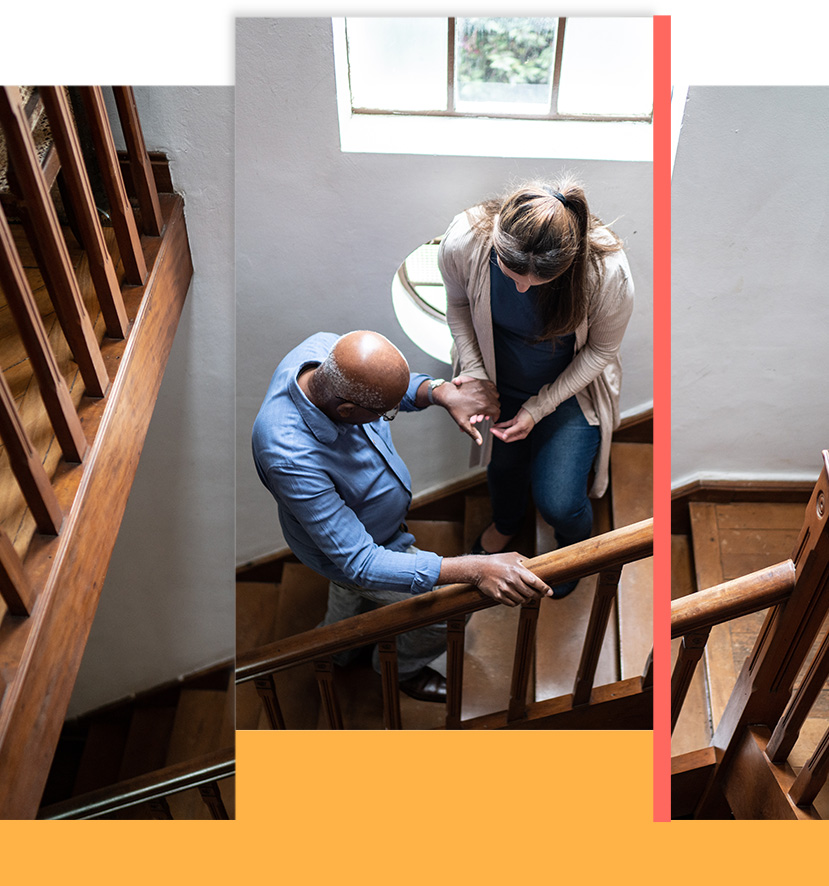
If you’re exploring home health care for your loved one, you’re in good company. More families are choosing home health care as an alternative to hospital or nursing home stays, offering loved ones quality care in the comfort of their own home. In fact, the National Center for Health Statistics estimates that nearly 5 million Americans receive home health care in the United States each year.
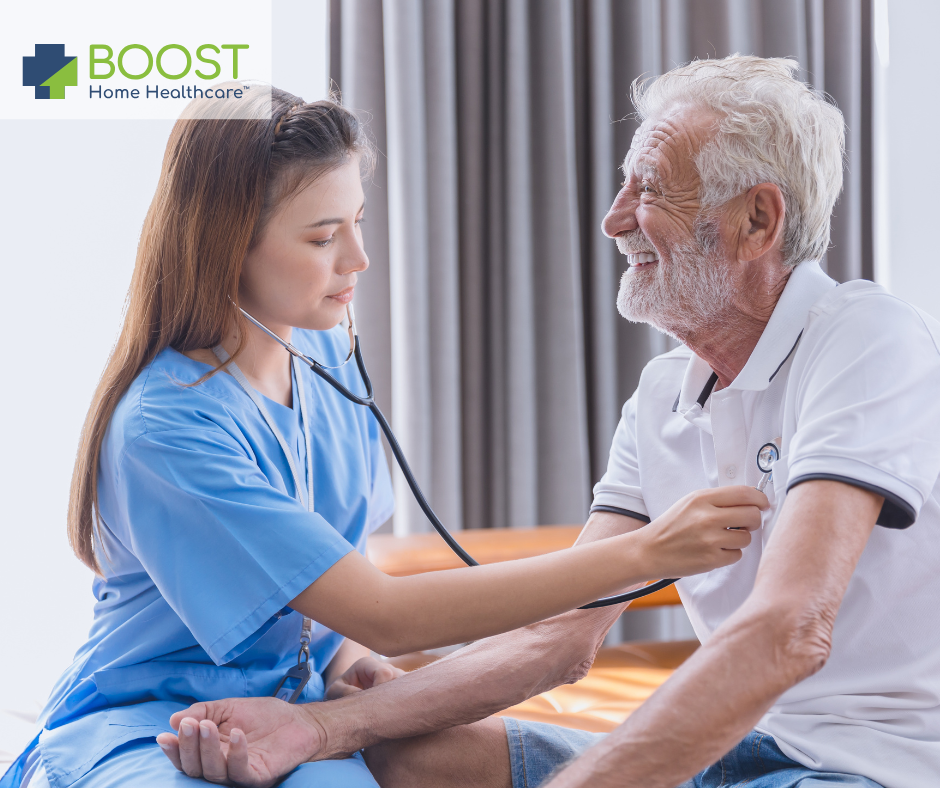
Home health services are often prescribed after a hospital stay or for individuals requiring short-term or intermittent care to recover from an illness, injury or surgery. Home health nurses, including Registered Nurses (RNs) and Licensed Practical Nurses (LPNs) and Licensed Vocational Nurses (LVNs), are skilled professionals in the field of nursing who play a vital role in ensuring recovery, comfort, and independence for patients who need continued medical attention, however wish to receive care in the comfort of their home versus a hospital or skilled nursing facility.
Skilled nursing visits are a critical part of home health care, with nurses performing tasks like wound care, administering medications, and managing medical conditions. Additionally, home health aides assist with daily living activities, such as bathing, dressing, and light housekeeping, supporting your loved one’s day-to-day needs. Services may vary by state and license. Learn more about Boost Home Healthcare’s services.
Did you know? According to the U.S. Bureau of Labor Statistics, 11% of Registered Nurses (RNs) work in home health; however, this practice area continues to grow because of its association with shortened hospital stays, better treatments to manage chronic conditions, and the growing population of adults 85 years and older projected to double in the coming decade. In this article, we’ll explore what home health nurses do, how they can support your family, and what you can expect from their care.
What Does a Home Health Nurse Do?
If you’re exploring home health care for your loved one, you’re in good company. More families are choosing home health care as an alternative to hospital or nursing home stays, offering loved ones quality care in the comfort of their own home. Home health services are often prescribed after a hospital stay or for individuals requiring short-term or intermittent care to recover from an illness or surgery.
Skilled nursing visits are a critical part of home health care, with nurses performing tasks like wound care, administering medications, and managing medical conditions. Additionally, home health aides assist with daily living activities, such as bathing, dressing, and light housekeeping, supporting your loved one’s day-to-day needs. Services may vary by state and license.
Home Health Nurses Are Highly Skilled
Home health nurses are the vital link between your loved one’s care team, including physicians, therapists, and other healthcare professionals. They manage communication with all involved parties to improve patient outcomes and ensure continuity of care. Here’s what you need to know about home health nurses’ skills and responsibilities:
- Education: Home health nurses are required to have either an Associate Degree in Nursing (ADN) or a Bachelor of Science in Nursing (BSN). Both programs equip nurses to provide high-quality care in various settings, including home health care.
- Licensing: To become a Registered Nurse (RN), nurses must pass the NCLEX exam. This exam evaluates the knowledge and skills necessary for safe and effective nursing practice. While licensing requirements vary by state, the NCLEX exam is a universal step in becoming an RN.
- Experience: Home health nursing is typically an autonomous role, so most nurses need at least 2-3 years of experience in medical-surgical or critical care nursing. This experience helps nurses build the confidence and clinical skills needed to manage care independently.
- Specializations: Though no specific certification exists for home health nursing, many nurses choose to pursue certifications in specialty areas like wound care, pediatric nursing, or oncology nursing to enhance their expertise and career opportunities.
Registered Nurses (RNs) – Registered Nurses are highly skilled and licensed healthcare professionals who play a critical role in home health care. Their duties may include:
- Administering medication and intravenous (IV) infusions
- Conducting wound care and dressing changes
- Taking vital signs, such as blood pressure, pulse, and temperature
- Performing comprehensive physical assessments of the patient
- Drawing labs and conducting tests to monitor the patient’s condition
- Assisting patients with activities of daily living (ADLs), such as bathing, grooming, and toileting
- Helping with mobility and exercises to promote recovery
- Collaborating with physicians to develop and manage a personalized care plan for each patient
Licensed Practical Nurses (LPNs) and Licensed Vocational Nurses (LVNs) – LPNs and LVNs also play important roles in home health nursing. While they are not licensed to administer IV infusions, they offer services such as:
- Medication administration
- Wound care and dressing changes
- Taking vital signs and reporting any concerns to the supervising RN
- Assisting with ADLs and mobility support
- Providing compassionate care and companionship for patients
The Benefits of Home Health Nursing for Your Loved One’s Recovery
Choosing home health care for your loved one offers several advantages that may not be available in a hospital or skilled nursing facility setting:
Comfort and Familiarity: Your loved one will recover faster and feel more at ease in their own home, surrounded by familiar surroundings.
Personalized Care: Home health nurses provide one-on-one care that is specifically tailored to your loved one’s needs, ensuring a higher level of attention and care than might be received in a hospital setting.
Better Patient Outcomes: Studies show that patients who receive care at home have lower rates of hospital readmissions and experience faster recovery. (source: International Journal of Nursing Studies) Home health nurses play a critical role in this by monitoring patients closely, providing necessary medical care, and adjusting treatment plans as needed.
Cost-Effectiveness: Home health care is often more affordable than hospitalization or skilled nursing facility care. It can also reduce unnecessary hospital stays, cutting down on overall medical costs.
Independence and Privacy: Your loved one can maintain their independence and privacy while receiving care at home, which can significantly improve their quality of life.
How Home Health Nurses Support Your Loved One’s Recovery
Home health nurses provide both medical and emotional support to your loved one and family. Their care goes beyond simply treating medical conditions, offering compassionate support that can improve the overall recovery process. Here’s how they help:
- Medication Management: Nurses ensure that medications are administered correctly and that your loved one adheres to their prescribed regimen.
- Ongoing Care: Whether it’s post-surgery care, chronic condition management, or recovering from illness, nurses help monitor your loved one’s progress and adjust care as needed.
- Patient Education: Home health nurses educate your loved one and your family about the medical condition and care needs, empowering everyone to participate actively in recovery.
- Care Coordination: Home health nurses collaborate with other healthcare professionals, such as physicians, physical therapists, and social workers, to ensure that all aspects of your loved one’s care are covered.
Boost Home Healthcare: In-Home Skilled Nursing Care
At Boost Home Healthcare, we’re here to help. Whether you’re recovering from an injury, illness, or managing a complex medical condition, our team of skilled nurses is ready to provide the care you need in the comfort of your own home.
There’s no one-size-fits-all approach in health care. Some older adults need more intensive, 24/7 care and monitoring, while some only require skilled nursing care for medication management and assistance with daily tasks.
By working with an independently-owned, trusted skilled nursing care provider, family members can have peace of mind knowing their loved one is receiving top-quality care. Here’s how we can help*:
- Pain management and wound care
- IV therapy and medication management
- Post-operative recovery care
- Assistance with ADLs and mobility
- Monitoring changes in your loved one’s condition
- Coordinating with physicians to ensure better outcomes
*Services may vary by state and license
In addition, we provide medical care that helps individuals remain safely at home while recovering from traumatic injury or illness, when managing a chronic condition or conditions and post-surgery.
Learn More About Our Personalized Care
At Boost Home Healthcare, we prioritize your loved one’s health, independence, and quality of life.
Click here to learn more about the benefits of Boost Home Healthcare’s In-Home Skilled Nursing Care. We understand that when you’re recovering or managing a health condition, there’s no place like home. Our compassionate nurses deliver the care you need in a familiar, comfortable environment, offering more convenient and affordable care than traditional hospital settings.
Start your assessment today by connecting to a Boost Home health care location near you.
Helpful Resources:
- Home Health Services (Medicare.gov)