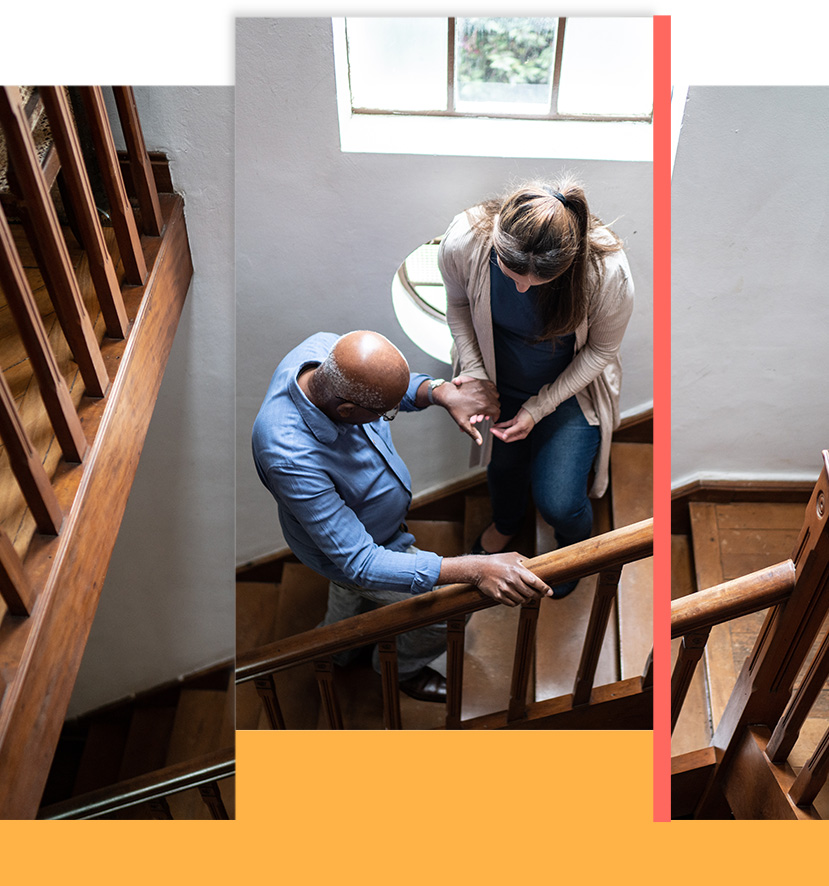
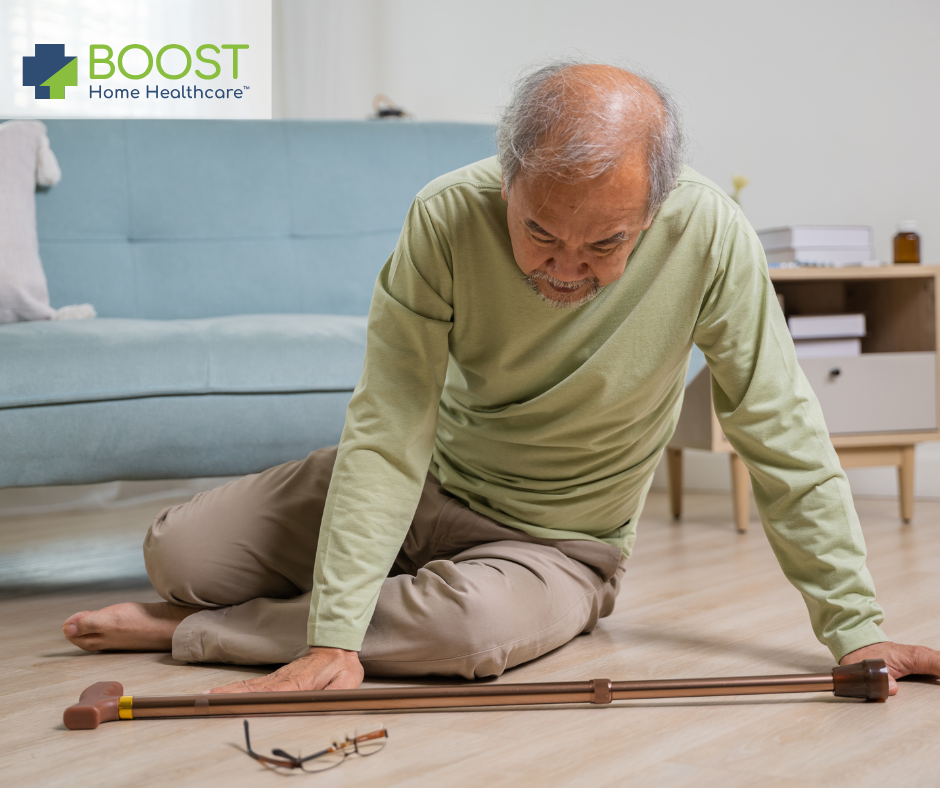
As we age, the risk of falling increases significantly. As your parent or loved one ages, you might notice they trip or fall more often. Falls can happen to anyone, but it’s important to take action if they occur frequently, especially with an older adult.
Aging adults fall due to numerous risk factors, which may include health issues like chronic illnesses and heart disease and environmental hazards such as cluttered living spaces or inadequate lighting in their own homes. Moreover, falls can lead to severe injuries, including broken bones, head trauma, and a loss of independence. Preventing falls becomes more crucial after a first fall, as repeated falls are more likely to occur.
According to the U.S. Centers for Disease Control and Prevention (CDC):
- 1 out of 10 falls result in an injury that causes an older adult to restrict their activities for a day or more or to seek attention from the healthcare system.
- There are about 3 million emergency department visits by older adults due to falls annually.
- There are about 1 million fall-related hospitalizations among older adults annually.
- In 2019, 83% percent of hip fracture deaths and 88% of emergency department visits and hospitalizations for hip fractures were caused by falls.
- Each year, nearly 319,000 older people are hospitalized for hip fractures.
- Falls are the most common cause of traumatic brain injuries (TBI).
As a caregiver, you must take proactive measures to address the physical and environmental risks contributing to falls. Understanding the risk factors for falls is the first step in creating a safe environment for your elderly parent or loved one and working to prevent future falls.
Understanding the Risks for Falls
Falls significantly impact the quality of life of an individual, whether with or without injury. Many older adults fear falling, which can lead them to avoid social interactions, resulting in further physical decline, isolation, or depression. Stopping interactions can result in further physical decline, depression, social isolation, and feelings of helplessness. Understanding the many risk factors that increase the likelihood of seniors falling can help mitigate potential accidents. Some of the most common risk factors for falls include:
- Poor Balance: With age, balance issues may become more common due to the weakening of muscles and coordination. Muscle strength deteriorates, affecting stability and making everyday tasks more challenging to perform without support.
- Impaired Vision or Hearing: Diminished eyesight is a leading risk factor for falls. Conditions such as cataracts and glaucoma can limit an older person’s depth perception and ability to see obstacles, leading to tripping hazards and falls. In addition, people with hearing loss are nearly three times more likely to fall than those with normal hearing.
- Lower Body Weakness: In general, individuals with lower body weakness and difficulties with walking and balance have an increased chance of falling.
- Low Blood Pressure: Many aging adults experience low blood pressure, which can lead to dizziness or lightheadedness when standing up too quickly, increasing their risk of falling.
- Medication Interactions: Numerous medications cause side effects like drowsiness, dizziness, or confusion, which can increase the likelihood of falls. Medication side effects are particularly problematic when multiple prescriptions are involved, as interactions between different drugs can exacerbate these issues.
- Chronic Illnesses: Conditions like diabetes, heart disease, and arthritis can lead to neuropathy, pain and other symptoms that affect mobility, strength, and balance issues, further increasing the risk of falls in older adults.
- Hazards in the Home: Clutter, a lack of support elements like grab bars, poor lighting, and other factors can cause falls.
Proactive Fall Prevention Tips
While some fall risk factors may be unavoidable, prevention strategies can help reduce the likelihood of future falls and create a safer environment for your aging parent or loved one. Here are some fall prevention tips you can implement at home and in everyday living:
- Assess Your Home Environment with a Safety Checklist: Cluttered living spaces and poor lighting significantly contribute to fall risk. You should regularly inspect your home for tripping hazards. These may include loose rugs, electrical cords, or clutter. If you encounter any of these hazards, put clutter away, donate or even throw away anything that doesn’t work or is needed. Then, clear the pathways and secure rugs with non-slip pads. While these steps may seem simple, they are often forgotten. Access a printable checklist from the National Council on Aging to help you guide your home assessment.
- Ensure Adequate Lighting: Any space where you or your loved one walk by, such as hallways, staircases, and bathrooms, should be well-lit. Think of accessibility when addressing the light conditions of each space and update lighting fixtures as needed. Sometimes, motion-activated hall lights are better for certain spaces than others.
- Make Appropriate Safety Updates to the Home: Mobility and ambulation tools like grab bars can be installed in bathrooms near toilets and showers to provide additional support to your safety. You can also update entryways to have a ramp instead of a tall step, have a shower chair or bench in the bathroom, and make any other updates to support daily activities.
- Encourage Mobility and Improved Strength through Physical Activity: Physical activity plays a crucial role in maintaining muscle strength and improving balance, both of which can help prevent future falls. If physically possible, encourage your parent or loved one to engage in exercises that target strength and flexibility and improve balance and coordination.
Working with a physical therapist can also provide a more structured exercise regimen tailored to the specific needs of the individual. A physical therapist can work with your elderly parent or loved one to address particular issues, provide education about fall prevention and help them regain strength through supervised exercises.
- Address Health-Related Issues, Including Medications: Many underlying medical conditions can increase the risk of falls. It’s important to work closely with your loved one’s healthcare provider to manage these conditions effectively. For example, regular checkups can help identify new health issues that may contribute to balance issues or falls. Also, medication reviews should be completed regularly to minimize side effects contributing to dizziness or confusion. According to the CDC, 3 out of every 4 older adults take at least one medication commonly linked to falls or car crashes. Reducing unnecessary medications and adjusting dosages under a doctor’s supervision may help prevent falls. Access a medication tracking sheet from the CDC to help you in this process.
- Ensure Proper Footwear & Attire: Wear shoes with non-slip soles that provide good support and comfort. Footwear and clothing are often overlooked as contributing to falls. However, wearing clothing such as pants that drag or long dresses or shoes like high heels or slippers with no grip can significantly increase the risk.
Is It Time to Seek Professional Help?
If falls or balance issues persist, it might be time to seek professional help. An at-home physical therapist or occupational therapist can assess your parent’s mobility and risks for falls and recommend tailored solutions to address their specific needs.
An occupational therapist can evaluate the home and suggest modifications, such as installing grab bars or removing tripping hazards. They may also recommend in-home care services to assist with daily activities, such as meal preparation, light housekeeping, and personal care tasks that become more challenging after a fall.
Enlisting the help of in-home care professionals can provide peace of mind and reduce the risk of falls for your loved ones. Their training and expertise contribute to overall safety and well-being. Moreover, their services allow you to focus on spending quality time with your parent or loved one, knowing that professional help is in place to manage daily safety concerns.
At Boost Home Healthcare, our home healthcare specialists bring compassionate, friendly and professional care to your residence. Our collaborative approach involves families, caregivers, and healthcare professionals in a unified recovery plan. This fosters an environment of open communication and continuous improvement. Our team of highly vetted caregivers provides top-tier, hospital-level care at home, so your loved one’s recovery and well-being are in the best hands.
Boost Home Healthcare offers more convenient – and often more affordable – care compared to hospitals or skilled nursing facilities. As an added benefit, our approach is entirely personalized.
Are you ready to learn how home health services can support your or your loved one’s at-home care needs? Start your assessment today by connecting to a Boost Home Healthcare location near you.
Helpful Resources: