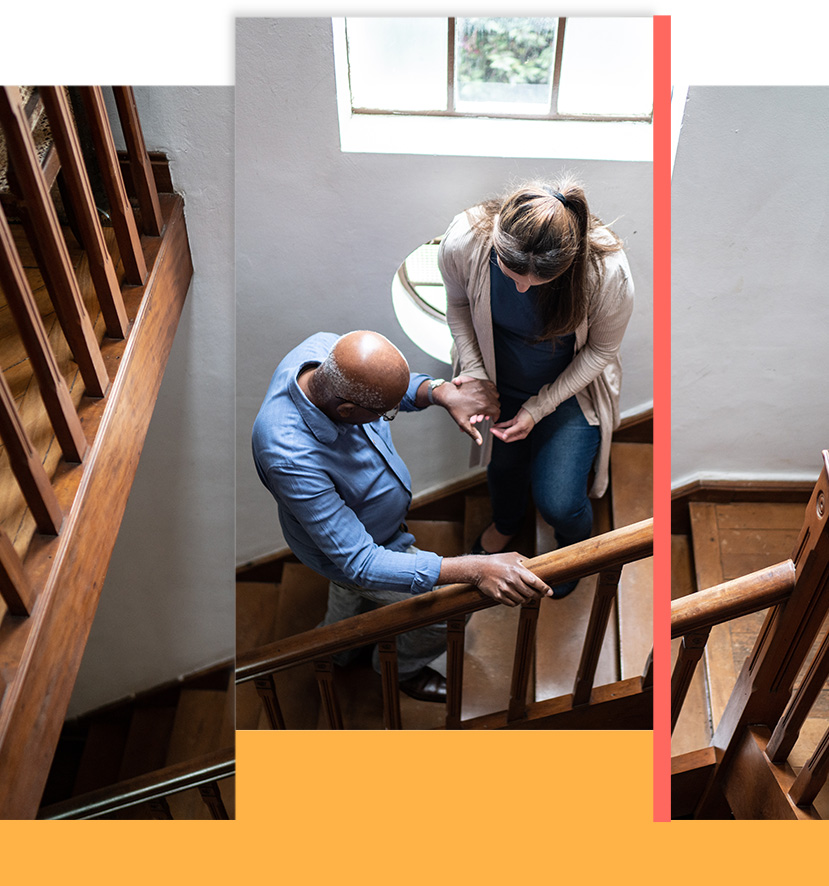

When you care for an elderly parent, their needs can change dramatically if they are diagnosed with dementia. Providing them with the best quality of life may require extra resources, home modifications, and support services to keep them comfortable and safe.
What Is Dementia?
Dementia is a broad term used to describe a decline in cognitive function severe enough to interfere with daily life, such as loss of memory, language, problem-solving, and other thinking abilities. Common types of dementia include:
- Alzheimer’s disease
- Frontotemporal dementia
- Vascular dementia
- Lewy Body dementia
- Mixed dementia
While dementia becomes more common with age, it’s not a normal part of aging. In fact, the National Institute on Aging reports that about one-third of people aged 85 or older develop some form of dementia.
Understanding the condition will help you better support your elderly parent’s care needs.
Navigating Dementia Care at Home
Caring for a parent or loved one with dementia can be emotionally taxing, but there are strategies to help you provide the best care while maintaining a positive, supportive environment. Below are essential tips to help you along the way.
Learn the Basics of Dementia Care:
Understanding what dementia is and how it affects your parent is crucial for providing the care that is needed. Resources like the Alzheimer’s Association and the National Institute on Aging offer valuable insights to help you stay informed.
- Causes of Dementia: Dementia is caused by various diseases that damage brain cells. This damage interferes with the ability of brain cells to communicate with each other. Thinking, behavior, and feelings can be affected when brain cells cannot communicate normally. The brain has many distinct regions, each responsible for different functions. When cells in a particular region are damaged, that region cannot carry out its functions normally. Different types of dementia are associated with brain cell damage in specific brain regions.
- Signs & Symptoms of Dementia: As your caregiving experience progresses, you may notice certain behaviors from your aging parent or loved one that may signal the beginnings of dementia. These signs may include difficulty remembering and speaking, understanding and expressing thoughts, or reading and writing; wandering and getting lost in a familiar neighborhood; having trouble handling financial responsibilities and paying bills; repeating questions; using unusual words to refer to familiar objects; taking longer to complete routine daily tasks; losing interest in normal daily activities or events; hallucinating or experiencing delusions or paranoia; acting impulsively; not caring about other people’s feelings; and losing balance and problems with movement.
- Changes in Care Needs: With dementia, care needs may change rapidly, from how you communicate with your loved one to how you help them perform activities of daily living and more. Learning about the disease process, including the different types of dementia, will better equip you to manage the behavior changes and memory loss that occur as dementia progresses.
Communicate Effectively with Your Loved One
Clear communication is essential when your parent has dementia. Your parent may struggle to find the right words or follow conversations, so it’s important to adapt your communication style. Adapting your communication style can reduce confusion and help your parent feel more connected and supported.
- Speak slowly and use short, simple sentences.
- Maintain eye contact to keep your loved one focused.
- Use gestures and facial expressions to aid understanding.
- Limit distractions to create a calm environment for communication.
Another successful communication strategy includes using visual and nonverbal cues, such as gestures or facial expressions, to aid understanding, paying attention to body language and responding to their mood and emotional state, limiting distractions when communicating, and creating a calm, quiet environment for better focus.
When conversations become confusing or frustrating, staying patient will help your parent feel supported.
When appropriate, speech therapy services can give you and your loved one the skills to communicate better. Boost Home Healthcare can support your home health speech therapy needs.
Adapt the Home for Safety & Comfort
As dementia progresses, your parent may become more prone to falls, wandering, or accidents. You can create a safer environment with a few simple changes:
- Install grab bars and handrails in bathrooms and stairways.
- Use non-slip mats to reduce the chance of falls.
- Clear clutter and remove tripping hazards.
- Ensure good lighting with motion-detecting lights or nightlights.
- Secure hazardous items like medications and cleaning products.
Consider adding locks to cabinets where potentially dangerous items like cleaning products or sharp objects are found. For doors and cabinets your loved one can access, ensure the handles are easy to maneuver.
Another helpful way to ensure your home is safe for your parent or loved one with dementia is to engage the help of Boost Home healthcare occupational therapist who can assess your home and make recommendations.
Create Structure and Engage Your Parent in Daily Activities
Maintaining a supportive environment is essential for both your loved one living with dementia and you as a family caregiver. Focus on daily activities that engage your loved one and foster a sense of purpose and joy. A predictable routine can also reduce anxiety.
Consider building a checklist with elements such as:
- Personal care routines
- Mealtimes and light exercise
- Creative activities, like painting or music
- Intellectual activities, like reading or puzzles
Encourage your parent to participate in tasks like folding laundry or setting the table, helping them feel independent and accomplished.
This list should also lead to structure and routine, allowing for predictable schedules for daily activities, physical activities like in-home physical therapy or light exercise, spiritual activities, and more.
Focus on Well-Being and Quality of Life
Although dementia brings challenges, you can still find ways to enhance your parent’s well-being and create meaningful moments together.
Some helpful tips for providing an environment that fosters well-being and quality of life include engaging in recreational activities that stimulate your loved one’s mind and body. From taking short walks to gardening or doing simple puzzles, these activities are fun ways to reinforce cognitive development and physical health.
You can also foster a positive mood by creating a calm, comforting environment that reduces agitation and stress. This includes planned social interaction with other family members and friends to help your parent or loved one feel connected and valued.
Another excellent way to promote well-being is to encourage your parent to participate in everyday tasks to the best of their ability. Performing manageable chores every day can help your loved one maintain a sense of independence and purpose. Even simple tasks like folding laundry or setting the table can give them a sense of achievement.
Prioritize Your Well-Being as a Caregiver
Caring for a parent or loved one with dementia can take a toll on your physical and mental health. Caregiver stress and burnout can present differently for everyone. However, known symptoms include feelings of denial, anxiety, guilt, anger, and isolation are common, especially as the disease progresses and caregiving demands increase. You must prioritize your mental health and well-being as a family caregiver. It’s important to care for yourself, too.
- Join support groups where you can connect with other caregivers facing similar challenges, share experiences, ask for advice, and find comfort.
- Seek mental health support from a mental health professional to help manage the emotional burden of caregiving, including stress and anxiety that may develop.
- Make time for self-care, and while this looks different for everyone, engage in activities you find joyful, exercise regularly, and eat nutritious foods to maintain your physical health. If you haven’t done so yet, try meditation, as it is known to be an excellent way to reduce stress, anxiety and depression.
Know When It’s Time to Ask for Help
Sometimes caregiving becomes overwhelming, and it’s okay to seek professional help. In-home care providers can assist with daily tasks and personal care needs allowing you to focus on spending quality time with your loved one while reducing burnout.
Caring for your parent or loved one can be a fulfilling yet challenging responsibility. As dementia progresses, there may come a time when the caregiving duties surpass what you and other family members can manage on your own. At this point, exploring in-home care options or even transitioning to a care facility may be necessary for your parent’s safety and well-being.
In-home care can provide part-time or full-time professional caregivers who assist with daily tasks and personal care. This allows your loved one to remain in a familiar environment while receiving the support they need.
Enhance Your Caregiving with Our Home Health Services
Caring for a parent with dementia requires patience, understanding, and a focus on maintaining both their well-being and your own. By adapting your communication strategies, creating a safe environment, and seeking help when needed, you can provide the best care possible. Remember that you don’t have to go through this journey alone; help is available.
At Boost Home Healthcare, we’re here to support you and your parent every step of the way. Our services are tailored to meet your loved one’s needs, enhance caregiving, and provide you with the additional support you may need. Our home healthcare specialists come to your home and provide expert support, undivided attention and encouragement.
Boost Home Healthcare delivers the care you or your loved one needs in the space you love. We offer more convenient – and often more affordable – care compared to hospitals or skilled nursing facilities. As an added benefit, our approach is entirely personalized.
Are you ready to learn how home health services can support your and your loved one’s care needs? Start your assessment today by connecting to a Boost Home Healthcare location near you.
Helpful Resources: