Living or visiting a high-altitude area can be breathtaking, both literally and figuratively. If you or a family member has a chronic health condition, you may notice changes in how you feel. That’s because altitude can affect oxygen levels in your body, and your body has to work harder to function. For older adults or individuals with ongoing medical needs, these changes in oxygen levels can have a significant impact.
The good news? With the proper planning and home care services, you can stay safe and comfortable. A complete home care approach helps you adapt to the altitude while receiving the care services you or your loved ones need.
How Altitude Affects Health
At higher elevations, generally above 5,000 feet, the air contains less oxygen, leading to a decrease in blood oxygen saturation, which requires your heart and lungs to work harder to supply oxygen to your tissues. The CDC Yellow Book: Health Information for International Travel notes that high-altitude environments expose individuals to cold temperatures, low humidity, increased ultraviolet radiation, and decreased air pressure, all of which can cause health problems.
The biggest concern, however, is hypoxia, due to the decreased partial pressure of oxygen (PO2). At around 3,050 m (approximately 10,000 ft), for example, the inspired PO2 is only 69% of that at sea level; acute exposure to this reduced PO2 can lower arterial oxygen saturation to 88–91%.
Understanding the main types of altitude sickness can help you recognize symptoms early. These include:
- Acute Mountain Sickness (AMS): This is the most common form, affecting mountain climbers, hikers, skiers, or travelers at high altitudes, typically above 8,000 feet (2,400 meters). Symptoms include headache, dizziness, fatigue, shortness of breath, and occasionally nausea. Symptoms can appear within hours of arrival at high elevation.
- High Altitude Pulmonary Edema (HAPE): A serious condition where fluid builds up in the lungs, making breathing difficult. HAPE can get worse fast and is fatal if not treated quickly.
- High Altitude Cerebral Edema (HACE): A rare but life-threatening condition where the brain swells due to a lack of oxygen. It affects anyone, from expert climbers to first-time outdoor enthusiasts. Confusion, loss of coordination, and severe headache are key signs.
Visiting vs. Living in High Altitudes
If you or your loved one is visiting a high-altitude area, your body will likely experience changes in the first few days. Acclimatization, your body’s adjustment to altitude, can take one to two weeks.
Living at a high altitude for an extended period can help your body adapt, but seniors and individuals with chronic conditions may still experience difficulties with low oxygen levels. Even after years at altitude, sudden illness or overexertion can trigger symptoms.
How Altitude Impacts Common Health Conditions
- Cardiovascular Issues: For someone with heart disease, reduced oxygen means the heart must pump harder. If you or your loved one has high blood pressure, arrhythmias, or heart failure, altitude can make symptoms worse. The American Heart Association recommends monitoring heart rate and blood pressure more closely at high altitudes. A registered nurse from a home health care team can help with regular checks and adjustments to your care plan.
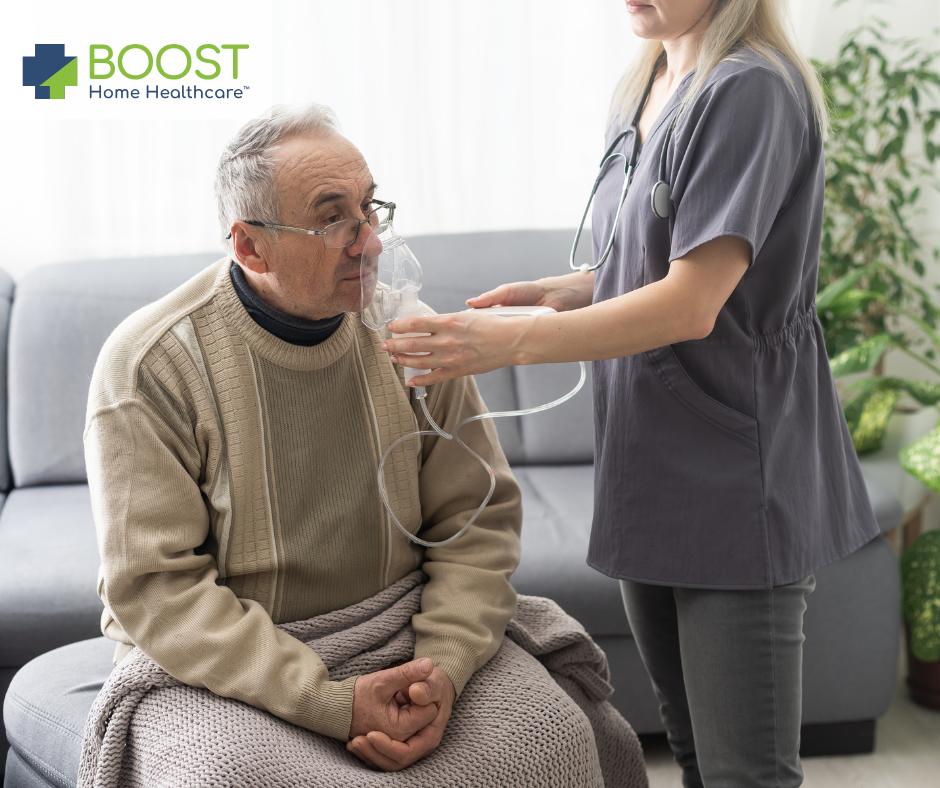
- Respiratory Conditions: For individuals with COPD, asthma, or other chronic lung diseases, altitude can exacerbate shortness of breath and lower oxygen levels. It is recommended that some people use supplemental oxygen at high elevations. In-home care services, including oxygen therapy and breathing exercises, can be part of a personalized care plan.
- Diabetes: Controlling blood sugar can be more challenging at altitude. The combination of physical exertion, changes in appetite, and your body’s stress response can alter insulin needs. Staying hydrated, monitoring your blood glucose more frequently, and collaborating with your caregiver or skilled nursing team can help keep your diabetes under control.
What Complete Home Care Can Do
Partnering with a comprehensive home health care provider means you receive support tailored to your individual needs. Whether you’re a permanent resident or just visiting family at altitude, the proper care services can help you thrive.
At Boost Home Healthcare, our team provides a clinician-inspired approach to care that fosters collaboration, ensuring that families, care team members, and medical professionals are aligned and follow a unified recovery plan.
- Personalized Care Planning: Your health is unique, so your care should be, too. A registered nurse or professional caregiver will work with you, your doctor, and your family member to design a plan that addresses your specific altitude challenges. This includes managing oxygen therapy, adjusting medications, and providing education so you know what warning signs to watch for.
- In-Home Monitoring: High altitude can cause sudden changes in oxygen saturation and blood pressure. In-home monitoring with pulse oximeters and blood pressure cuffs helps identify issues early. Your Skilled Clinical Team can track your results and adjust your plan as needed. This unwavering dedication to safety is part of what individuals deserve in home health care.
- Respiratory Therapy: Breathing well is essential at altitude. Respiratory therapy, delivered by trained professionals, includes oxygen management, breathing exercises, and equipment maintenance. Your caregivers can help you use oxygen safely and keep your equipment clean and ready.
- Diet & Medication Management: Altitude can affect appetite and hydration. Your care team will encourage you to eat a healthy diet, drink plenty of fluids, and maintain a balanced diet to support your energy and recovery. Services like meal preparations and medication reminders make it easier to stay on track. This kind of help with daily living not only supports your health but can make you feel more comfortable and confident.
- Physical Therapy & Mobility Support: If you’re feeling weaker or more fatigued at altitude, physical therapy can improve stamina and lung capacity. Your care team will guide you through safe exercises that won’t overstrain your heart or lungs. With compassionate support from an exceptional caregiver, you can stay active while respecting your body’s limits.
Supporting Health at Altitude Starts at Home
Living or spending time at high altitude doesn’t have to mean sacrificing your health or independence. With proper planning, home care services can help keep you safe, supported, and thriving.
By working with a comprehensive home care provider that offers skilled nursing, physical therapy, medication reminders, and customized support, such as Boost Home Healthcare, you ensure that your individual needs are met with unwavering dedication. This is the care you and your loved ones deserve, and it’s precisely what our compassionate caregivers provide every day.
If you or a family member needs help managing altitude-related symptoms, contact Boost Home Healthcare today. We work closely with families and care teams to ensure a seamless experience. Whether you’ve recently been discharged from a hospital or simply want to take charge of your health, Boost Home Healthcare delivers the care you need in the space you love. We’re here to help you recover, regain confidence, and reclaim your independence. We offer more convenient – and often more affordable – care compared to hospitals or skilled nursing facilities. As an added benefit, our approach is tailored entirely to you and your evolving needs.
To obtain additional information or to start your assessment today, connect with a Boost Home Healthcare location near you.
Additional Resources:
High-Altitude Travel and Altitude Illness (CDC)
Altitude Sickness (Mayo Clinic)
Travel and Heart Disease (American Heart Association)