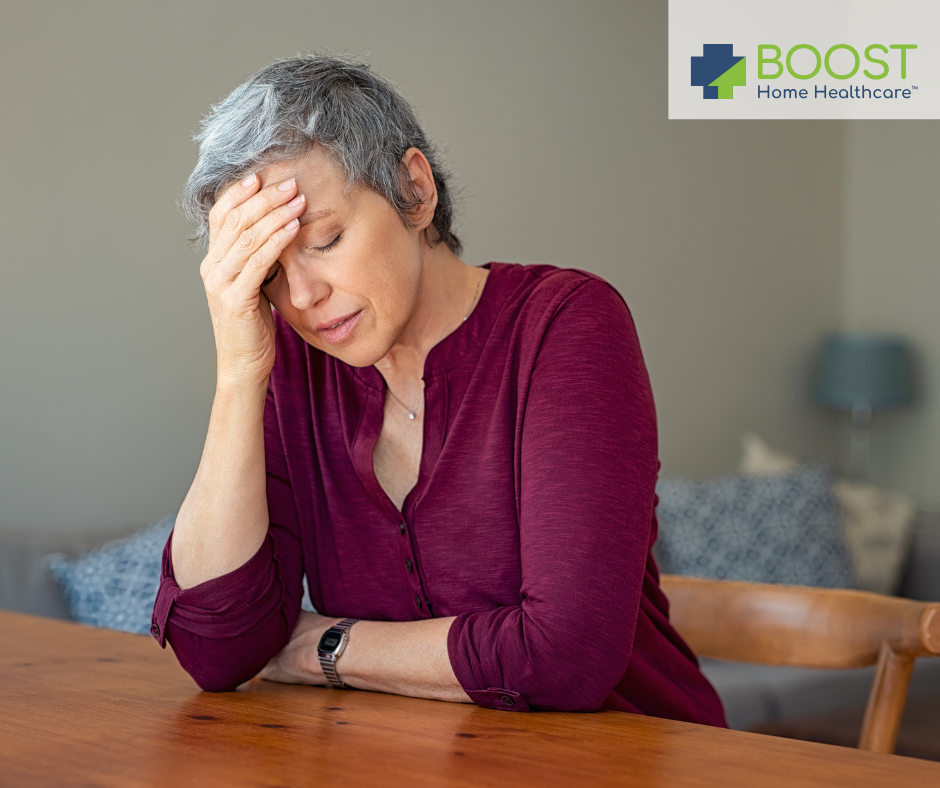
Each day, family caregivers across the country help their family members live safely and comfortably, managing medications, preparing meals, assisting with mobility, and supporting emotional needs. According to the U.S. Bureau of Labor Statistics, approximately 37.1 million people provide unpaid elder care in the United States, with the majority being women (59%). While providing care for a loved one is a noble act of love, behind the care and compassion, many caregivers face significant emotional, physical, and mental strain, also known as caregiver stress.
If you’re caring for a loved one, especially someone with a chronic illness like Alzheimer’s disease, it’s important to understand the impact of caregiver stress, what it is, how it affects your well-being, and what options are available to provide relief and promote continued quality care for your loved one. Keep reading to explore the signs of caregiver stress, the risks if it goes unaddressed, and how caregiver support services like home healthcare from Boost Home Healthcare can make a real difference for you and your loved one.
What is Caregiver Stress?
Caregiver stress refers to the emotional and physical exhaustion that results from caring for someone else, often for extended periods and without adequate support. Whether you’re helping with daily living tasks, providing personal care, or managing appointments and other services, the demands of caregiving can be overwhelming.
This type of stress is particularly common among family caregivers who feel they must do everything themselves. Many people feel guilty about needing a break or worry that asking for help might compromise the quality of care their loved one receives. Over time, this pressure builds, affecting not just the caregiver’s health but also their relationships, finances, and overall quality of life.
While anyone can become a caregiver, most caregivers are family members, including spouses, adult children, or even grandchildren, who care for older adults facing mobility issues, cognitive decline, or chronic illness. In particular, caregivers of people with Alzheimer’s disease or related dementias experience high rates of emotional burnout due to the progressive and demanding nature of the disease. Additionally, caregivers who juggle employment, parenting, and caregiving responsibilities, also known as the “sandwich generation,” are especially vulnerable to chronic stress.
Common Signs of Caregiver Stress
Caregivers report higher levels of stress than do people who are not caregivers. It’s important for caregivers to know that they, too, need help and support. Understanding the signs of caregiver stress is the first step to addressing it. Here are some signs to watch for:
- Feeling exhausted, overwhelmed, or anxious
- Becoming easily angered or impatient
- Feeling lonely or disconnected from others
- Having trouble sleeping or not getting enough sleep
- Feeling sad or hopeless, or losing interest in activities you used to enjoy
- Having frequent headaches, pain, or other physical problems
- Not having enough time to exercise or prepare healthy food for yourself
- Skipping showers or other personal care tasks, such as brushing your teeth
- Misusing alcohol or drugs, including prescription medications
Recognizing these signs early can help prevent long-term emotional burnout and physical health problems.
Why Addressing Caregiver Stress Matters
When left unmanaged, caregiver stress can lead to a range of serious consequences. Because caregivers have so much on their plates, they often neglect to take care of themselves. This may lead to a higher risk of physical and mental health issues, sleep problems, and chronic conditions such as high blood pressure. In addition to impacting their health, a lack of personal care can also influence their role as a caregiver.
Burnout can lead to mistakes with medication, missed appointments, or neglecting safety protocols, all of which can affect the health of the person receiving care. Supporting caregivers is crucial not only for their own well-being but also for the health and safety of the entire household.
Tips for Addressing Caregiver Stress
If you’re a caregiver, it’s important to build a proactive plan for managing stress. Do not wait until you reach a state of exhaustion or feel extremely overwhelmed to seek help. Understand what your own warning signs are, and take the necessary steps to minimize sources of stress where possible. Also, consider the following tips:
- Schedule Time for Yourself: Even a short walk, hobby, or phone call with a friend can provide emotional relief. Make self-care a priority, not a luxury.
- Take Care of Your Health: Visit your doctor regularly. Try to eat well, exercise and get plenty of rest. Ensuring your own health can help you be a better caregiver.
- Accept Help: Say “yes” when others offer to help. Even if it’s something small, like grocery shopping or spending an hour with a loved one, these acts give you time to recharge.
- Utilize Technology: Digital tools, such as medication reminders, calendars, and symptom trackers, can help organize tasks and alleviate mental overload.
- Connect with Professionals & Other Resources: Reach out to home health care professionals, such as Boost Home Healthcare or support groups when the care needs become too much to handle alone. Asking for help is a sign of strength, not failure.
Home Health Care & Caregiver Stress
One of the most effective ways to manage caregiver stress is to seek professional help, and that’s where home health care comes in.
Home health care provides skilled medical care, therapy, and personal care to individuals in their own homes. For family caregivers, it offers much-needed relief while ensuring their loved one continues to receive high-quality provider care.
Here’s how home health care can reduce stress and improve outcomes:
- Skilled Medical Support: Registered Nurses and licensed therapists provide in-home care, including wound management and monitoring of chronic illnesses. This lifts a huge burden off family caregivers, who may not feel equipped to handle complex medical needs.
- Personal Care Assistance: Certified Home Health Aides assist with daily living tasks, such as bathing, dressing, and grooming, allowing caregivers to rest or focus on other responsibilities.
- Respite Care: Respite care provides short-term relief to caregivers, allowing them to take a break, go on vacation, or focus on their own well-being. This could be a few hours a week or several days at a time. Respite care services are often available through home health care providers and are a crucial tool in preventing burnout.
- Emotional & Social Support: Many home health care agencies offer access to support groups, counseling, and resources to help caregivers navigate emotional challenges. Talking with others who are going through similar experiences can provide validation and relief.
Why Home Health Care Makes Sense for Caregivers & Loved Ones
Choosing home health care isn’t just about convenience; it’s about protecting the health, dignity, and well-being of everyone involved. While family caregivers are often the backbone of care, they shouldn’t have to carry the full weight alone. With the right resources, caregivers can balance their responsibilities while maintaining their health and happiness.
At Boost Home Healthcare, we partner with you to provide quality care, expert guidance, and peace of mind for you and your loved ones, so that no one has to walk this path alone. We help you restore balance and focus on what matters most: loving and being present for your family member.
Providing a range of medical and non-medical care, we empower individuals to maintain independence and live comfortably in their own homes, delivering the care they need in the space they love. We offer more convenient – and often more affordable – care compared to hospitals or skilled nursing facilities. As an added benefit, our approach is tailored entirely to the individual’s evolving needs. Whether the need is for skilled nursing care, therapy, or assistance with daily living, we offer flexible and compassionate solutions.
For additional information or to start your assessment today, connect to a Boost Home Healthcare location near you.
Additional Resources
Taking Care of Yourself: Tips for Caregivers (nia.nih.gov)
Caregiver Stress: Tips for Taking Care of Yourself (mayoclinic.org)