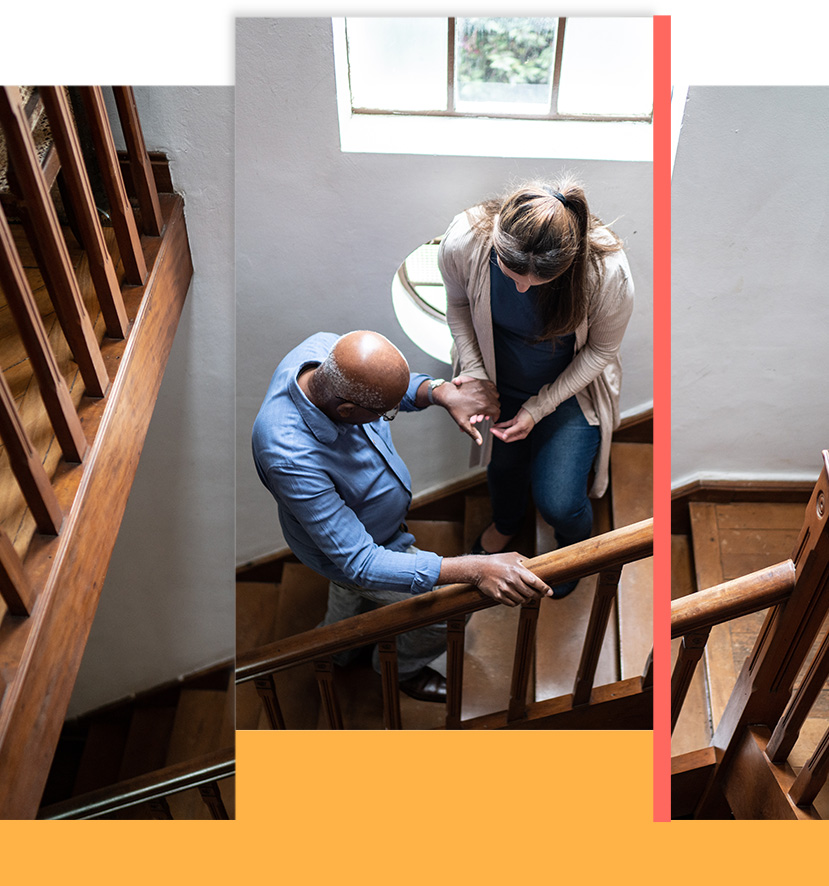
Falls are quite common among older adults, and they lead to about 1 million hospitalizations every year in the United States. One place in the house known to be a hazardous area is the bathroom. From wet floors and slippery surfaces to tight spaces and more, there are numerous elements that contribute to a high risk of falls and serious injury.
Preventing Falls with Bathroom Safety
According to the National Institute on Aging, 80% of senior falls happen in the bathroom due to slippery floors and surfaces. These bathroom-related injuries in senior citizens occur while bathing, showering, or using the toilet. If you are a caregiver to an elderly loved one or are looking to increase the safety around your aging parents’ home, implementing bathroom safety measures is essential to maintaining a safe environment for everyone. Keep reading for tips and suggested bathroom updates that can increase the safety of your loved one and reduce the risk of falls or injuries.
- Get Rid of the Clutter: The first step in promoting bathroom safety for your loved one is removing trip hazards like area rugs, exposed electrical cords, and clutter from the bathroom floor. Consider your loved one’s daily routine and store essential items within easy reach to enhance their bathroom experience and prevent unnecessary stretching or bending.
- Place Non-Slip Mats or Install Non-Slip Strips: Wet surfaces are a significant cause of slips and falls. Place non-slip mats inside the tub, shower, and bathroom floor to significantly reduce the risk of falls or injury. If mats are unavailable, you can install non-slip strips that adhere directly to the tub or shower floor, providing extra traction.
- Have a Shower Chair or Bathtub Transfer Bench: Help your loved one maintain balance and reduce unnecessary movement in the bathroom by adding a shower chair or bathtub transfer bench. These gadgets are beneficial for individuals with reduced vision, sensitive skin, or difficulty standing for long periods.
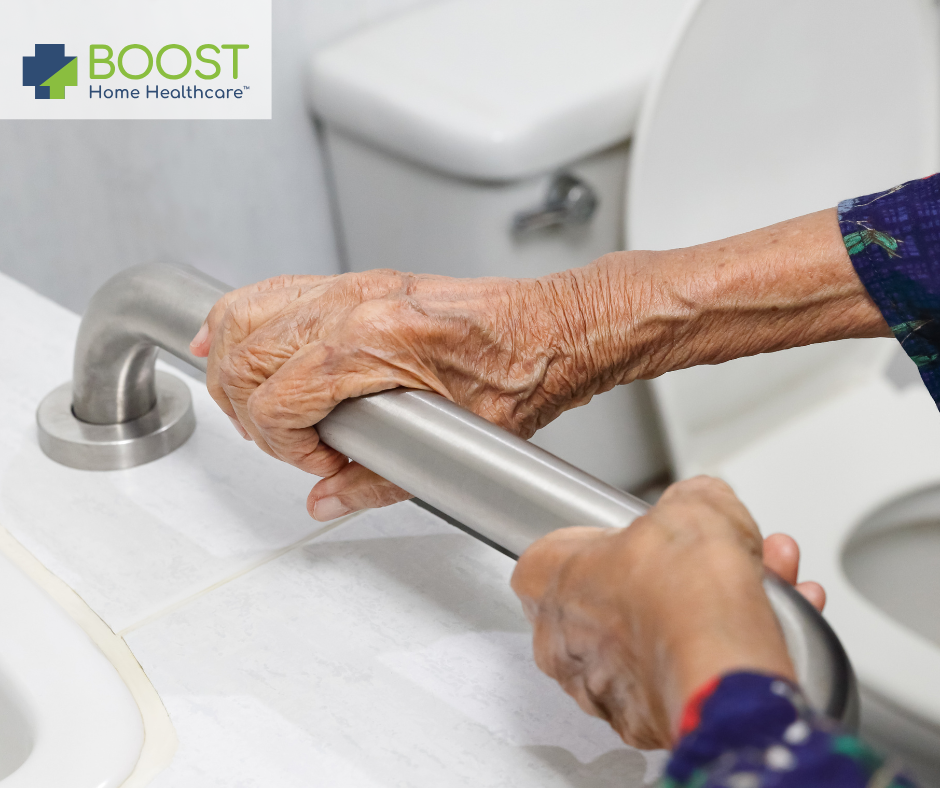
- Increase Stability & Install Grab Bars: Continuing the idea of promoting balance and stability, one of the most effective ways to improve bathroom safety is to install grab bars. These bars provide support when standing up, sitting down, or moving around the bathroom. They should be placed near the toilet seat, inside the walk-in shower, and next to the bathtub. Grab bars should be securely mounted and able to bear weight, so ensure to install the appropriate bars or hire a professional to do so. If it’s not possible to install grab bars, provide an extra level of stability by adding a shower handle inside the shower or tub area; that way, your loved one will stand while bathing.
- Install a Handheld Shower Head: Stability and comfort are major aspects of bathroom safety. To better support your loved one’s bathing, replace the current shower head with a handheld shower head or add a handheld attachment so that the individual has better control of the water pressure and its direction without excessive movement. This update is especially helpful for elderly loved ones with limited mobility or who need bathing assistance.
- Install Weighted Shower Curtains: It almost seems impossible to prevent some water from splashing the floor when the shower is on. However, weighted shower curtains may help mitigate this problem. By staying in place, these curtains enhance shower safety and prevent water from leaking onto the floor.
- Place Suction Cups & Adhesive Hooks for Easy Reach: Suction cups are an easy and affordable way to secure bath mats and other elements. Additionally, adhesive hooks are great for hanging towels and toiletries within easy reach; these can be moved around to better meet the needs of your loved one.
- Add a Raised Toilet Seat: Raised toilet seats make it easier for older adults to sit down and stand up without straining their joints or muscles. Whether you replace the current seat with an elevated version or place a removable raised toilet seat with handles, this modification reduces the risk of falls and can provide extra comfort for those with limited mobility.
- Increase Night Visibility with Night Lights: Low visibility increases the risk of tripping and falling. To prevent this from happening, place night lights throughout the home and in the bathroom for safer nighttime bathroom visits.
- Update Faucets for Comfort: Traditional twist faucets can be difficult for older users to turn on and off, especially for those with arthritis. Consider installing ergonomic faucets or lever handles, which require less effort and provide a perfect solution for those with grip issues.
Other Considerations for Bathroom Safety
Outside of the tips we have shared for bathroom safety, you can also count on the support of professionals who can guide you in making the best decisions that will benefit your loved one’s quality of life and bathroom safety. Consider the following additional tips:
- Consider the Transition from the Bedroom to the Bathroom: Making the trip to the bathroom safer at night for many seniors means having a customized room set up to allow timely and safe ambulation to and from the bathroom. One element that can help with this is an adjustable bed that can be positioned close to the bathroom walking path to minimize walking distance.
- Consider Hiring Professionals Specialized in Home Modifications: While the tips and suggestions we shared are a great start to increasing safety for your loved one when they use the bathroom, sometimes, more intricate modifications, such as a complete bathroom update, may be needed to increase space, support mobility, and increase stability. A walk-in shower eliminates the need to step over a bathtub, reducing strain and enhancing shower safety. If the space allows, including a built-in seat or bench will add additional comfort.
Many companies offer a free consultation to assess your home’s safety needs and recommend additional safety features like stair lifts, emergency pull cords, and alarm systems. An occupational therapist can also provide professional support for home modifications. They can provide recommendations based on your loved one’s needs, functional status, interests, and goals and assess the completed modifications after they are completed to provide consultation for proper fit, adaptive equipment training, and fall prevention strategies.
Occupational Therapy Support for At-Home Safety
After a health obstacle, such as injury or hospitalization, you or your loved one might need a lift to get back to your routine. Home health occupational therapy helps individuals restore these functions of daily living, like bathing, dressing, and self-care. At Boost Home Healthcare, we provide compassionate, friendly, and professional care to you or your loved one—right in the comfort of your home. Our dedicated team of nurses, Home Health Aides, and therapists collaborates to address each client’s unique home healthcare needs, ensuring seamless, high-quality support.
The Boost Advantage: Benefits of At-Home Occupational Therapy
When providing their services at home, occupational therapists can directly observe and assess daily routines and the home environment, leading to a customized treatment plan encompassing everything from adaptive equipment to meal planning. Such a personalized approach fosters independence by adapting daily activities to your capabilities and enhances home safety through targeted modifications like installing grab bars or slip-resistant flooring. Additional benefits include:
- Adaptation to Daily Activities
- Enhanced Home Safety
- Support for Low Vision
- Cognitive Support
- Fall Prevention
- Emotional and Social Well-being
- Caregiver Education and Support
Occupational therapy is provided based on a specific plan of care tailored to meet your goals and needs, and our team delivers the care you need in the space you love. Most importantly, they lead with compassion and patience and work one-on-one with you to boost your specific strengths and needs.
Boost Home Healthcare offers more convenient – and often more affordable – care compared to hospitals or skilled nursing facilities. As an added benefit, our approach is entirely personalized for you and your changing needs. To learn how at-home occupational therapy services can support your or your loved one’s bathroom and overall at-home safety, start your assessment today by connecting to a Boost Home Healthcare location near you.
Helpful Resources: