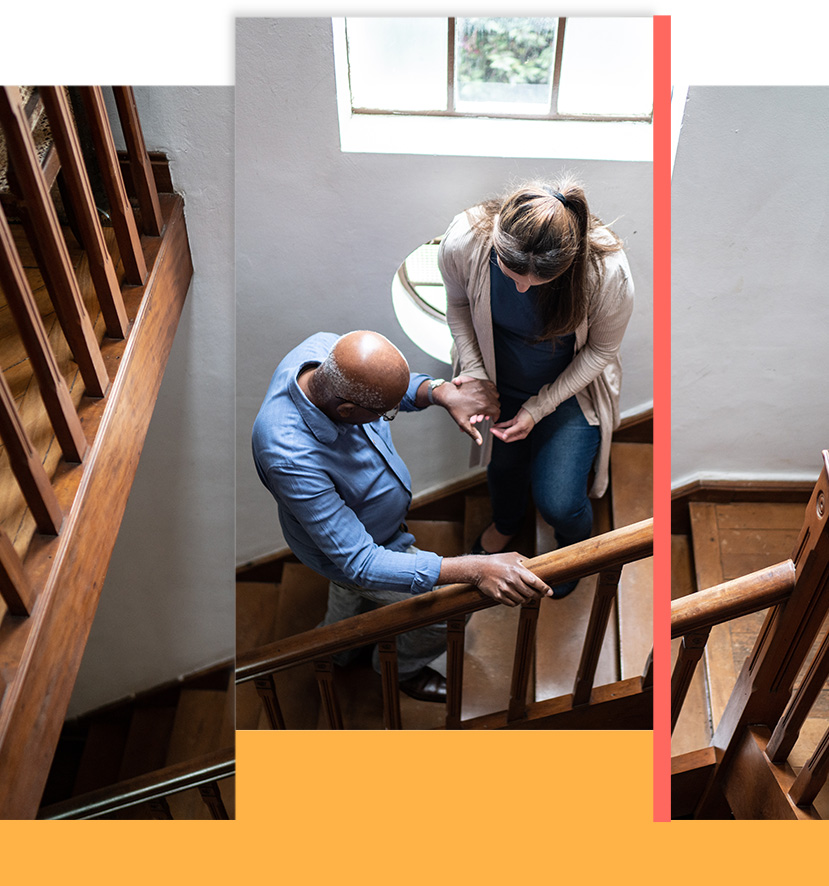

When aging, illness, or injury makes it harder to complete your everyday tasks, occupational therapy (OT) offers a powerful path forward—especially when it’s delivered right in the comfort of your home. With in-home occupational therapy, you can take back control of your environment, build confidence, and keep living with the independence and dignity you deserve.
At Boost Home Healthcare, we believe that helping you maintain essential life skills at home is one of the most impactful forms of care. Here’s how our occupational therapists support your goals every step of the way.
What Is Home Health Occupational Therapy?
Occupational therapy focuses on helping you participate in the activities that matter most—your occupations. That could mean getting dressed, making meals, managing medications, or returning to hobbies, work, or family roles.
A home health occupational therapist works with you to build strength, adapt routines, and make your space safer and more accessible. Your care may include:
- Support with daily activities like bathing, dressing, and eating
- Recommendations for adaptive tools, such as shower chairs or reachers
- Training for your family or caregivers
- Guidance on creating and managing daily routines
- Help with returning to work, school, or hobbies
- Cognitive strategies to improve memory, focus, and planning
Fall prevention, home safety checks, and accessibility modifications
How Your Occupational Therapist Supports You at Home
Your occupational therapist starts by focusing on your goals, your environment, and the challenges you’re facing. From there, they design a care plan tailored just for you—one that adapts as your needs change, and may help you with:
- Navigate your home more safely
- Practice energy-saving techniques
- Learn how to use adaptive equipment
- Improve balance and fine motor skills
- Organize your day for success
- Safely resume everyday tasks with confidence
You may also work with an occupational therapy assistant, who supports your progress under the guidance of your licensed therapist—ensuring care is both efficient and personal.
How Does Occupational Therapy Differ from Physical Therapy?
You might receive both occupational therapy and physical therapy—but each one plays a different role in your recovery. Physical therapy helps improve strength, movement, and balance. Occupational therapy focuses on helping you perform meaningful tasks, like getting dressed, preparing meals, or planning your day.
Together, these services support your ability to recover, regain strength and live more safely at home.
Your Goals Are Our Goals
Your needs are unique, but the core goals of home health occupational therapy remain the same:
- Help you stay independent with self-care routines
- Improve safety and reduce fall risks in your home
- Support cognitive health and functional thinking
- Create a safer, more supportive home environment
- Ease the burden on your family or caregivers
How Occupational Therapy at Home Benefits Daily Life
Losing the ability to dress, bathe, or cook without assistance can take a toll on one’s self-esteem. Occupational therapy helps you get those abilities back—or find safe, smart ways to adapt.
One of the advantages of in-home occupational therapy is that your therapist works with you in your environment. They’ll offer tips for rearranging furniture, installing grab bars, or using adaptive tools like walkers or dressing aids. These small changes can lead to major improvements in how you live and feel each day.
Occupational therapy in the home setting not only facilitates physical health and safety but also nurtures the emotional and social aspects of your life, ensuring a comprehensive approach to care. Additional benefits of occupational therapy include:
- Adaptation to Daily Activities: Assistance with modifying daily routines to maintain independence, utilizing adaptive equipment as necessary.
- Enhanced Home Safety: Recommendations for home modifications to prevent falls and improve mobility, such as installing grab bars and improving lighting.
- Support for Low Vision: Exercises to improve vision or adapt to vision loss and home modifications to enhance safety and independence.
- Cognitive Support: Activities and strategies to bolster memory and cognitive function, with support for caregivers in managing cognitive decline.
- Fall Prevention: Assessment and modification of the home environment to reduce fall risks, combined with balance and safety training.
- Emotional and Social Well-being: Encouragement of leisure activities and social engagement to promote a positive outlook and emotional health.
- Caregiver Education and Support: Education and resources for your loved ones to support your care.
Trust Our Compassionate Care Approach
At Boost Home Healthcare, our occupational therapists and occupational therapy assistants are carefully selected for their expertise, compassion, and dedication to patient-centered care. We work closely with care teams to ensure you receive comprehensive support. We also recognize the essential role of family members and caregivers, encouraging collaboration and open communication every step of the way.
Our goal isn’t just short-term recovery, it’s long-term stability and comfort. Whether you are recovering from surgery, managing a chronic condition, or coping with cognitive decline, our home health occupational therapists are there to help you adapt and thrive in your own home.
This focus on sustainable outcomes allows us to reduce the likelihood of rehospitalization, avoid unnecessary moves to assisted living, and provide meaningful relief for overburdened caregivers.
A Personalized Approach That Puts You First
With years of experience and a deep understanding of what matters most, we build care plans around you. Your home. Your needs. Your goals.
We stay flexible and responsive—adjusting our strategies as you progress so that you continue gaining confidence, skill, and control over your daily life.
If you’re struggling with tasks that once felt second nature, home health occupational therapy could be the answer. Our compassionate team is ready to meet you where you are—right at home—and help you move forward with dignity, purpose, and support.
Start your assessment today, and connect to a Boost Home Healthcare location near you.
Additional Resources
Home Health Occupational Therapy
What is Occupational Therapy? (aota.org)